
Last Updated on March 18, 2026 by Giorgia Guazzarotti
Looking for Dermalogica retinol reviews? I’ve got you covered. The Dermalogica Dynamic Skin Retinol Serum is one of the more talked-about retinoid launches in the professional skincare space – a high-dose serum that promises to “visibly reduce the 4 signs of skin aging in just 2 weeks.” Bold claim. In this review, I’m going to break down the science behind the formula and tell if it works and, is it worth the splurge?
Key Ingredients in Dermalogica Dynamic Skin Retinol Serum: What Makes It Work?
HYDROXYPINACOLONE RETINOATE (HPR)
HPR, a.k.a Granactive Retinoid, is a retinoic acid ester, which basically means it’s a retinoid that skips the usual conversion queue. Regular retinol has to go through two enzymatic steps before your skin can actually use it. HPR binds directly to retinoic acid receptors in its current form, so it’s active faster and with less irritation along the way.
The most cited study on it is a 2018 paper by Ruth and Mammone in the Journal of Investigative Dermatology, which found HPR significantly increased procollagen production in skin models (comparable to tretinoin) without triggering more inflammation than the control. Worth knowing: this study was run through Estée Lauder’s own research infrastructure, so it’s not fully independent. The evidence is promising, not bulletproof. A 2024 study using a combined HPR-peptide serum showed statistically significant improvement across 10 aging parameters over 16 weeks – but that’s a combo formula over 4 months, not pure HPR in 2 weeks.
What HPR does in this serum is provide early retinoid activity without the lag time retinol requires. Sensible. The irritation profile is genuinely lower than retinol, though it’s still a retinoid – if your barrier is compromised or you’re brand new to them, you can still get sensitivity, especially in the first couple of weeks.
RETINOL
This is the most studied cosmetic retinoid there is. Unlike HPR, it needs two conversion steps in the skin before it becomes biologically active – so it’s slower to kick in, but the evidence behind it is decades deep and largely independent. A 2007 study in Archives of Dermatology showed topical retinol improves fine wrinkles in naturally aged skin through increased glycosaminoglycan production and upregulated collagen synthesis.
A 2016 head-to-head by Kong et al. confirmed retinol produces similar histological changes to retinoic acid (epidermal thickening, improved collagen gene expression) with considerably less irritation. And a network meta-analysis in Scientific Reports covering 23 RCTs and nearly 4,000 participants found retinol among the top performers for fine wrinkles, second only to isotretinoin. In this formula, retinol is mixed with HPR to give you results with a lower chance of irritation. That doesn’t mean it’s without side effects. It can still cause dryness, peeling, initial sensitivity, especially when you first start using it. It also increases photosensitivity, so morning SPF isn’t optional.
Related: What To Do If You’re Experiencing Retinol Side Effects
SQUALANE
Squalane is the stabilised version of squalene, a lipid your skin already produces naturally. Production drops with age, which partly explains why mature skin tends to feel drier and more vulnerable. When you apply squalane topically, your skin basically recognises it. Its job here is emollient: it reduces water loss, softens skin, and helps other ingredients absorb without leaving a greasy residue. In a retinoid serum specifically, squalane is pulling extra weight, reducing the chance that retinol tips you into irritation. Non-comedogenic, extremely well-tolerated.
The Rest Of The Formula & Ingredients
NOTE: The colours indicate the effectiveness of an ingredient. It is ILLEGAL to put toxic and harmful ingredients in skincare products.
- Green: It’s effective, proven to work, and helps the product do the best possible job for your skin.
- Yellow: There’s not much proof it works (at least, yet).
- Red: What is this doing here?!
- Water/Aqua/Eau: The base everything else lives in. In a gel-serum format it’s what keeps the whole thing feeling light and fast-absorbing.
- Glycerin: A humectant that pulls moisture into the upper layers of the skin, and it’s in basically everything for a reason because it works consistently, costs very little, and almost nobody reacts to it.
- Hexyldecanol: A fatty alcohol that makes the formula feel smooth on application and helps certain ingredients dissolve properly into the base.
- Propanediol: A lightweight humectant that also nudges actives deeper into the skin, so think of it as a delivery sidekick for the retinoids. It’s a cleaner, better-tolerated alternative to propylene glycol and genuinely rarely causes any issues.
- Dimethyl Isosorbide (DMI): This is actually the carrier solvent that HPR comes suspended in – it’s a core part of what makes Granactive Retinoid function as a ingredient. It improves penetration and keeps the HPR stable, and without it the HPR simply doesn’t work properly in the formula.
- Hydroxyethyl Acrylate/Sodium Acryloyldimethyl Taurate Copolymer: The synthetic polymer that gives this serum its gel structure instead of a runny, watery consistency.
- Hydroxyacetophenone: A preservative booster and antioxidant whose main job is protecting retinol from the oxidative degradation it’s very prone to when it meets air and light. It also adds extra preservative support to the overall system, which matters for a formula with this many lipid-based ingredients.
- Helianthus Annuus (Sunflower) Seed Oil: Rich in linoleic acid, which is an essential fatty acid the skin cannot synthesise on its own, and that matters because linoleic acid actively reinforces the barrier, has anti-inflammatory properties, and supports the lipid matrix that stops water escaping from the skin.
- Rosmarinus Officinalis (Rosemary) Leaf Extract: An antioxidant and antimicrobial plant extract that’s mainly here to protect the formula.
- Pelargonium Graveolens Flower Oil: Geranium essential oil, and while it has some antimicrobial activity, it’s primarily here to make the formula smell good. It contains linalool and other potential allergens, so if your skin tends to be reactive or you’ve had fragrance sensitivity before, this is one worth paying attention to.
- Aniba Rosodora (Rosewood) Wood Oil: Rosewood oil that’s contributing to the warm, slightly floral element of the scent profile. It’s fine for most people but it’s not zero risk, especially layered on top of the other essential oils in this formula.
- Eucalyptus Globulus Leaf Oil: An essential oil with antimicrobial and mildly anti-inflammatory properties that are real but not really the point here – at this concentration it’s primarily adding to the fresh, herbal top note in the fragrance. People with sensitivity to eucalyptol specifically should take note because it can be a trigger.
- Santalum Album (Sandalwood) Oil: A warm, woody fragrance ingredient that has antioxidant properties in isolation but is here almost entirely for scent . Occasional contact sensitisation has been reported with sandalwood oil, nothing dramatic but worth knowing if you’re already stacking up reactions to the other oils in this formula.
- Oryza Sativa (Rice) Bran Extract: A soothing, antioxidant-rich extract loaded with tocopherols, ferulic acid, and phytosterols, all of which have documented anti-inflammatory activity. It’s a genuinely smart inclusion in a retinoid serum because your skin sometimes just needs something calming while it’s adjusting to the actives, and this delivers that without any meaningful risk of irritation.
- Helianthus Annuus (Sunflower) Extract: Same family as the sunflower seed oil earlier but in extract form, contributing antioxidant support and mild conditioning to the formula. It’s more about protecting the formula’s integrity and adding a layer of skin comfort than doing anything dramatically transformative on its own.
- Cupressus Sempervirens Oil: Cypress essential oil that brings astringent and antimicrobial properties alongside its role as part of the fragrance blend, giving the overall scent its slightly sharp, resinous quality. It can be mildly irritating for people with sensitive skin.
- Juniperus Virginiana Oil: Virginia cedarwood oil that adds a dry, woody depth to the scent and has some antimicrobial activity alongside it. It may irritate skin too.
- Abies Sibirica Oil: Siberian fir needle oil that contributes a fresh, slightly green top note to the overall scent, and contains terpenes that can sensitise at higher concentrations even if they’re probably fine at the levels used here.
- Tocopherol: Vitamin E in its purest form, a fat-soluble antioxidant that prevents the lipid components of the formula from going rancid and specifically helps stabilise the retinol against oxidative breakdown.
- Beta-Glucan: An oat-derived polysaccharide with solid, well-replicated evidence for soothing and hydrating skin – it forms a light film on the surface, reduces transepidermal water loss, and has genuine anti-inflammatory activity that makes it one of the smarter inclusions in a retinoid serum.
- Caprylyl Glycol: A humectant and preservative booster derived from caprylic acid that improves the feel of the formula on skin while also making the preservative system work more efficiently.
- BHT: A synthetic antioxidant that prevents oxidative degradation across the formula, and it’s especially important here for protecting retinol which breaks down fast without it.
- Ceramide NP: One of the ceramides the skin barrier is literally constructed from, and including it in a retinoid serum is the formula actively trying to offset the temporary barrier disruption that retinoids can cause during the adaptation phase.
- Caprylic/Capric Triglyceride: A light emollient from coconut oil and glycerin that softens skin and improves how the serum spreads and absorbs without leaving any greasiness behind.
- Cetyl Palmitate: A wax ester that acts as an emollient and gives the formula a bit of body and slip, making it feel more substantial on skin without tipping into heaviness.
- 1,2-Hexanediol: A humectant and preservative booster that helps prevent microbial growth in the formula while also contributing to skin feel.
- Ethylhexylglycerin: A skin-conditioning agent and mild preservative booster that keeps the formula stable without leaning on harsher preservatives.
- Polysorbate 60: An emulsifier that stops the oil and water components from separating in the bottle over time.
- Tetrasodium Glutamate Diacetate: A chelating agent that binds metal ions floating around in the formula and remove them so the serum doesn’t go bad too quickly.
- Hydroxystearic Acid: A fatty acid functioning as both an emollient and an emulsifier, keeping the texture smooth and making sure all the different components of the formula stay cohesive rather than separating or going grainy over time.
- Polysorbate 20: A lighter emulsifier than Polysorbate 60 that helps maintain the emulsion and contributes to a clean, non-tacky finish on skin.
- Sorbitan Isostearate: An emulsifier and mild skin-conditioning agent that works alongside the other emulsifiers to keep the formula uniform and stable throughout its shelf life.
- Laureth-23: A surfactant and emulsifier that helps solubilise certain ingredients and maintain overall formula stability, particularly useful in formulas with a mix of water-soluble and oil-soluble components like this one.
- Trideceth-6 Phosphate: An emulsifier with mild surfactant properties that helps keep all the disparate components of this formula playing nicely together.
- Sodium Hydroxide: A pH adjuster used to bring the formula to the correct pH range, which actually matters quite a bit here because retinol is more stable and more effective within a specific window and the wrong pH accelerates degradation.
- Citric Acid: Works in tandem with sodium hydroxide to fine-tune the formula’s pH, and also has mild chelating properties that contribute to the overall antioxidant stability of the formula.
- Polyacrylate Crosspolymer-6: A synthetic thickener that reinforces the gel structure and helps the serum spread cleanly without pilling or balling up when you layer other products over it.
- Sodium Benzoate: A preservative effective against a broad range of microbes that works particularly well at lower pH, which this formula likely has given the retinoids.
- Benzyl Alcohol: A preservative that also contributes to the overall fragrance of the formula, and it’s worth knowing it’s a declared EU allergen because sensitisation can occur in some people.
- Linalool: A fragrance ingredient and declared EU allergen that’s probably partly coming from the rosewood and geranium oils listed earlier and partly added as a standalone fragrance component.
Texture
Gel serum, lightweight, slightly slippery, absorbs fast. It comes out almost translucent with a subtle glossiness from the squalane and spreads easily without dragging or pilling. No film, no stickiness, nothing that makes you want to wait around before touching your face. If you’re used to heavy retinol creams that sit on the skin, this will feel almost shockingly light by comparison, which I actually love even if it takes some getting used to.
Fragrance
It has a scent and it’s not subtle. Herbal and woody with a slightly floral softness underneath, think rosemary, sandalwood, geranium, and it reads more professional spa than mainstream perfume. It fades fairly quickly so mildly fragrance sensitive people will probably survive it. But if fragrance is a real concern for you, the essential oil stack here is genuinely long, so avoid it.
How To Use It
Cleanse, wait for skin to dry, apply one to two pumps all over the face (avoiding the eye area), and follow with moisturizer. Night only – this is a non-negotiable with retinoids. In the morning, SPF. Always. If you’re new to retinoids, start once or twice a week and give your skin time to adjust before using it every other night. Don’t mix it in the same routine with AHAs, BHAs, or vitamin C.
Related: Mix And Match: Which Skincare Ingredients Should You NOT Use Together?
Packaging
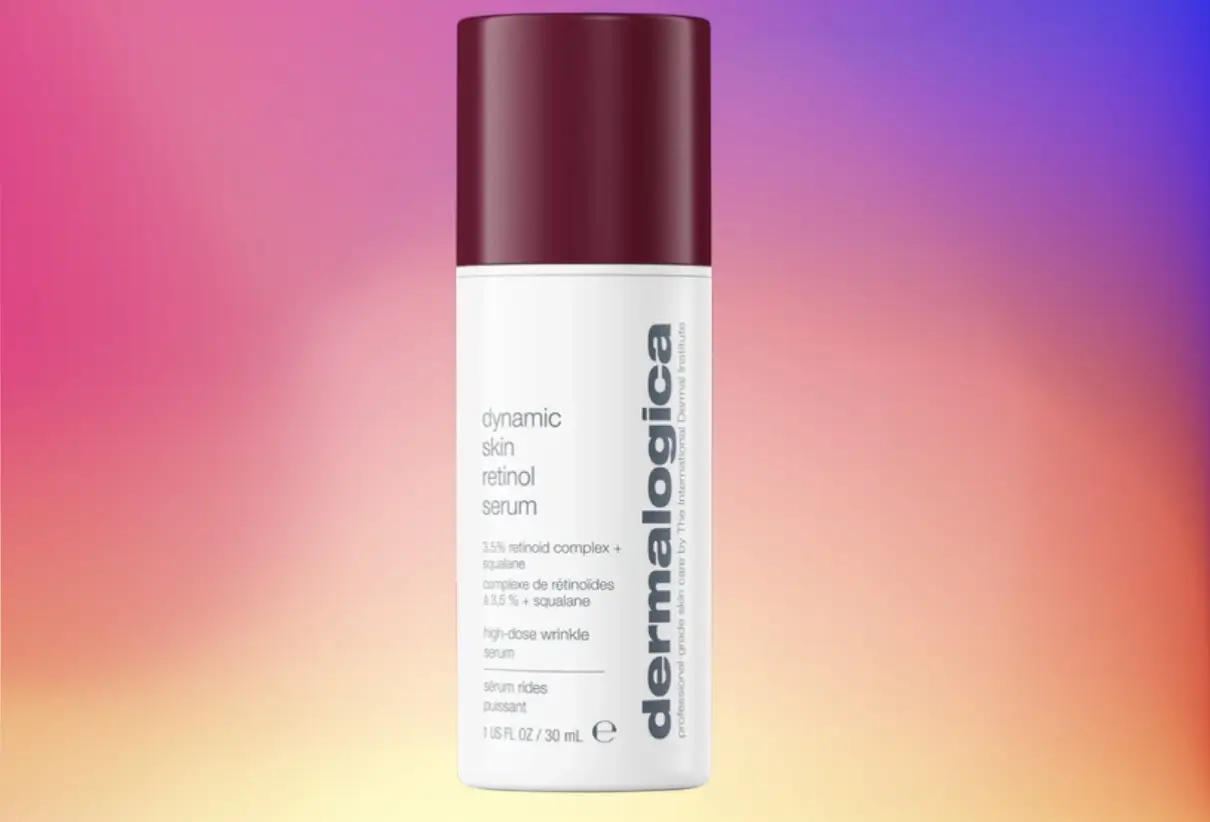
White pump bottle with a plum-coloured lid. It’s clean, clinical, on-brand for Dermalogica. The pump is satisfying. It dispenses a controlled amount so you’re not accidentally using too much. The bottle isn’t opaque enough for me personally (retinol is photosensitive and degradation is a real thing) and there’s no cap on the inner tube, so you’re relying entirely on the pump mechanism to protect the formula. For a product at this price point, I’d expect better light-protection. Keep it away from direct light.
Performance & Personal Opinion
Let’s be real about what this serum does well: it delivers a meaningful retinoid dose in a format that actually feels pleasant to use. What I noticed in the first week was that characteristic retinoid sensation. Not burning, just a slight awareness that something’s happening. No flaking for me, though I’m used to retinoids. After a month, texture was visibly smoother, pores looked tighter, and skin had that subtle ‘clarity’ that good retinoids give you. The dark spot stuff takes longer – I wouldn’t expect dramatic results in under 6-8 weeks.
What bugs me: the undisclosed retinol percentage. The product markets on a “3.5% retinoid complex” but won’t tell you how much of that is actual retinol versus HPR versus the solvent DMI (which makes up 90% of Granactive Retinoid by weight). That lack of transparency is frustrating when you’re trying to compare this to other retinol products or calibrate your routine. The fragrance stack is also unnecessary in an active serum aimed at aging and sensitive skin concerns. Including 8+ essential oils alongside a retinoid is a choice that prioritises scent experience over effectiveness (cos if not all skin types can use it, that’s unfair, isn’t t?).
What I Like About Dermalogica Dynamic Skin Retinol Serum
- Dual-retinoid system (HPR + retinol) is scientifically sound and covers multiple modes of retinoid activity
- Genuinely lightweight, fast-absorbing texture – one of the best in this category
- Squalane + ceramide NP + beta-glucan combination actively supports barrier health during retinoid use
- Less irritating than many single-retinol formulas at comparable activity levels
- Pump packaging delivers controlled, hygienic dosing
- Helps fade away dark spots and uneven skin tone
What I DON’T Like About Dermalogica Dynamic Skin Retinol Serum
- Retinol concentration is undisclosed – “proprietary” is not an answer when you’re charging £89
- Too many essential oils that could irritate sensitive skin
- Small bottle (30ml) at a high price point
Who Should Use This?
- This is best suited to people who already have some experience with retinoids. If you’ve used retinol before and want to step up to something with a more sophisticated delivery mechanism, this is a reasonable upgrade.
- It’s also good for those who’ve had irritation issues with traditional retinol creams, because the HPR component is gentler and the barrier-supportive ingredients (squalane, ceramide NP) reduce the risk of the adaptation phase being unpleasant.
- If you’re completely new to retinoids, I’d honestly suggest beginning with a simpler 0.3-0.5% retinol serum first to understand how your skin responds before committing to a $99 bottle.
- People with genuine fragrance sensitivity should avoid this and look for a fragrance-free retinoid alternative.
Does Dermalogica Dynamic Skin Retinol Serum Live Up To Its Claims?
| CLAIM | TRUE? |
|---|---|
| Evens skin tones and dark spots. | True, but it can take several months for it to work. |
| Reduces signs of skin aging. | True, it does make the appearance of fine lines and uneven texture smaller. |
| Great for all skin types. | Sensitive skin often can’t tolerate even gentler retinoids – and all the essential oils in it are a no-no for it anyway. |
Price & Availability
$99 at Cult Beauty, Look Fantastic, Sephora, SpaceNK and Ulta
The Verdict: Should You Buy It?
If you want a retinoid serum that’s genuinely well-formulated, has real science behind its active ingredients, and feels good to use – yes, this is worth considering. The HPR + retinol combination is legitimately thoughtful. The supporting ingredients do their job. The texture is excellent. But manage your expectations. Skin aging that’s accumulated over decades doesn’t reverse in two weeks. What you can realistically expect after consistent use (6-8 weeks minimum) is smoother texture, visibly tighter pores, and a gradual improvement in fine lines and skin clarity. Dark spots take longer.
Water/Aqua/Eau, Squalane, Glycerin, Hexyldecanol, Propanediol, Dimethyl Isosorbide, Hydroxyethyl Acrylate/Sodium Acryloyldimethyl Taurate Copolymer, Hydroxyacetophenone, Hydroxypinacolone Retinoate, Retinol, Helianthus Annuus (Sunflower) Seed Oil, Rosmarinus Officinalis (Rosemary) Leaf Extract, Pelargonium Graveolens Flower Oil, Aniba Rosodora(Rosewood) Wood Oil, Eucalyptus Globulus Leaf Oil, Santalum Album (Sandalwood) Oil, Oryza Sativa (Rice) Bran Extract, Helianthus Annuus (Sunflower) Extract, Cupressus Sempervirens Oil, Juniperus Virginiana Oil, Abies Sibirica Oil, Tocopherol, Beta-Glucan, Caprylyl Glycol, BHT, Ceramide NP, Caprylic/Capric Triglyceride, Cetyl Palmitate, 1,2-Hexanediol, Ethylhexylglycerin, Polysorbate 60, Tetrasodium Glutamate Diacetate, Hydroxystearic Acid, Polysorbate 20, SorbitanIsostearate, Laureth-23, Trideceth-6 Phosphate, Sodium Hydroxide, Citric Acid, Polyacrylate Crosspolymer-6, Sodium Benzoate, Benzyl Alcohol, Linalool.